Seamless Mixed Size Polka Dot Pattern
What defines this design asset and where it belongs in your creative workflow
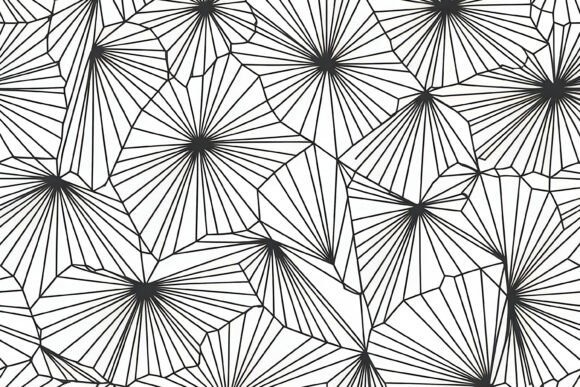
A Seamless Mixed Size Polka Dot Pattern is a repeating tile that uses polka dots of varying diameters arranged in a balanced, hand-drawn composition. Unlike traditional uniform polka dots, the mixed-size approach introduces visual rhythm, depth, and a subtle Scandi-inspired minimalism. The 5760x5760Px resolution makes it suitable for large-format printing, fabric design, digital publishing, and wall art without loss of quality.
This pattern belongs at the intersection of surface design and digital asset creation. It functions as a foundational element you can drop into a project early in the planning phase, use as a unifying motif throughout production, or apply as a final decorative layer during finishing. The tileable background ensures repeatability across physical and digital surfaces, which is a core requirement for textile printing, wallpaper production, and scrapbook paper manufacturing.
The hand-drawn quality of the spots gives it an organic feel that contrasts with rigid geometric patterns. This makes it especially useful for modern nursery decor, where parents and designers seek something playful yet restrained. The monochrome palette keeps it neutral enough to pair with other patterns, textures, or accent colors, extending its utility across product lines.
Preparation stage: planning with versatility in mind
When you are scoping a new product collection or design theme, having a Seamless Mixed Size Polka Dot Pattern in your asset library saves time during the ideation phase. Instead of drawing a custom repeat from scratch, you can evaluate how the pattern behaves at different scales. Test a 50% scale for a subtle background texture or a 150% scale for a bold statement print. Because the pattern is vector-quality, scaling does not introduce pixelation or seam artifacts.
During preparation, consider color variation. The base pattern is black and white, but you can recolor it in your design software to match a brand palette or seasonal theme. This flexibility reduces the number of distinct assets you need to purchase or create. A single pattern file can support multiple product variations, which is valuable for small business owners and independent publishers working with limited budgets.
Active production: integration into real workflows
In the middle of a project, the pattern serves as a reliable repeating element that behaves predictably across different platforms. If you are designing a KDP interior for a children's notebook or a minimalist journal, the pattern can fill entire pages or act as a border element. Because it is seamless, you do not need to worry about visible seams or awkward transitions when tiling across spreads.
For POD design resources, the pattern works well as a fabric overlay on mockups for apparel or home goods. Upload the tile to your print-on-demand platform of choice, set the repeat, and adjust the scale to match the product dimensions. The mixed-size dots create visual interest without overwhelming the product silhouette, which is important for maintaining a clean, saleable look.
In scrapbook digital paper crafts, the pattern becomes a versatile background sheet. You can layer photographs, journaling cards, or embellishments on top without the background competing for attention. The hand-drawn quality adds a tactile, artisanal feel to digital layouts, which many hobbyists and educators find appealing for memory-keeping projects.
Post-production and long-term use: maintaining consistency
After a project is complete, the pattern remains reusable across future work. Because it is a vector tile, you can archive it in a pattern library and recall it for subsequent designs without re-purchasing. This builds long-term efficiency, especially for freelance designers and small studios that produce multiple product lines per quarter.
Consistency matters when you are building a brand identity across different product categories. Using the same pattern family across nursery decor, stationery, and textile products creates a cohesive visual language that customers recognize. The Seamless Mixed Size Polka Dot Pattern, with its minimalist Scandi aesthetic, fits into a broader trend of understated, nature-inspired design that appeals to modern consumers.
Software compatibility and file handling
Most seamless pattern assets are delivered as high-resolution PNG or JPEG files, and some include vector formats like SVG or AI. The 5760x5760Px size works directly in Adobe Photoshop, Illustrator, Affinity Designer, Procreate, Canva Pro, and other major design applications. You can import the file as a pattern swatch or place it as a full-size image and crop to your canvas.
When working with the tile in Canva, upload it as an element and use the repeating background feature. For KDP interiors, place the pattern on a page and adjust opacity if you want a faint watermark effect. In Illustrator, define the tile as a pattern swatch so you can fill any shape instantly. This interoperability reduces friction when switching between tools during a project.
Integration with print-on-demand workflows
POD platforms such as Printful, Printify, Redbubble, and Society6 support pattern uploads for all-over-print products. The seamless nature of the tile ensures that garments, tote bags, and home decor items display a continuous design without break lines. For best results, test the pattern at the platform's recommended resolution. The generous 5760x5760Px size covers even large product canvases like duvet covers or tapestries.
Because the pattern is a single tile, you can also create color variations by duplicating the file and applying hue/saturation adjustments in your photo editing software. This allows you to offer a black-and-white version alongside a muted pastel version for the same product line, expanding your catalog without additional pattern purchases.
Collaboration with other design elements
The pattern pairs well with solid-colored backgrounds, geometric shapes, and typography. In nursery decor, combine it with hand-lettered quotes, animal illustrations, or woodland motifs. In textile surface design, layer the pattern over a base fabric texture or combine it with stripe or gingham patterns for a mixed-print effect. The key is to treat the mixed-size polka dots as a neutral foundation that supports rather than competes with other elements.
For minimalist wallpaper applications, the pattern can stand alone as a full wall covering. The scattered dot arrangement avoids the monotony of uniform grids while maintaining the clean look associated with Scandinavian interiors. Interior designers and home staging professionals can use the pattern as a digital mockup before committing to physical wallpaper rolls.
Example 1: KDP interior design for a children's activity book
Open a new document in your layout software sized to your trim dimensions. Import the Seamless Mixed Size Polka Dot Pattern as a background on every page. Set the opacity to 15% so the dots create a subtle texture without interfering with readability. On activity pages, use the pattern only on the margins or as a decorative frame. For the cover, scale the pattern larger and use full opacity for a bold statement. This approach unifies the interior while keeping content legible.
Example 2: Scrapbook digital paper pack
Create a set of six digital papers using different color overlays on the same pattern tile. Use pastel pink, mint green, lavender, warm gray, cream, and the original black-and-white version. Package them as a digital download bundle for crafters. Include a preview page showing how the patterns coordinate with each other. Because the tile is seamless, crafters can use the papers across 12x12 inch layouts without alignment issues.
Example 3: Nursery decor product line
Design a matching set of wall art prints, a crib mobile, and fabric swatches using the pattern. For wall art, print the pattern on fine art paper at 300 DPI and frame it in a simple white or natural wood frame. For the mobile, reduce the pattern scale and print on lightweight fabric or felt. Offer the pattern as a digital download for parents who want to create their own DIY nursery accessories. The monochrome palette ensures it works in gender-neutral spaces.
Checking file integrity and resolution
Before adding the pattern to a project, confirm that the downloaded file is intact and at the stated resolution. Open the file at 100% zoom and inspect the edges for any seam lines or compression artifacts. A high-quality vector tile should tile perfectly in both horizontal and vertical directions. If you notice any irregularities, test the tile in your software's pattern preview mode before committing it to a final design.
Organizing your pattern library
Keep a dedicated folder in your cloud storage or local drive for seamless patterns. Name files consistently, including the pattern type, color, resolution, and source. For example: "mixed-size-polka-dot-bw-5760-creative-fabrica.png". Tag files with relevant keywords in your digital asset management system so you can locate them quickly when a client requests a specific style. This organization method saves time during busy production cycles.
Scaling and testing across mediums
Test the pattern at different scales before finalizing a product. A scale that looks balanced on a phone case may appear too dense on a duvet cover. Print a small sample swatch or generate a digital mockup to evaluate the visual weight. The hand-drawn nature of the dots means they retain their organic character at multiple sizes, but the overall density changes. Adjust scale based on the intended viewing distance and product type.
Long-term value and reuse potential
A Seamless Mixed Size Polka Dot Pattern is not a one-project asset. Its neutral aesthetic and high resolution make it suitable for recurring use across product categories, client projects, and personal work. As your portfolio grows, having a library of reliable patterns reduces the time spent on repetitive design tasks and lets you focus on composition, layout, and customization.
The pattern also serves as a teaching tool for educators and bloggers. You can demonstrate pattern tiling, color adjustment, and scale variation techniques using this asset. Tutorials based on a single pattern file resonate with audiences because they show real-world application rather than abstract theory. This builds credibility and encourages engagement.
For small business owners and entrepreneurs, the ability to repurpose a single design asset across multiple revenue streams is a practical advantage. Use the pattern for printable wall art, fabric labels, gift wrap, digital planner backgrounds, and social media templates. Each application extends the value of the original purchase and supports a lean, efficient creative operation.
Commercial use considerations and licensing
When purchasing the pattern from Creative Fabrica or similar marketplaces, verify the commercial license terms. Most standard licenses allow unlimited use for physical products, digital downloads sold in limited quantities, and print-on-demand items. Some licenses require an extended license for large-scale production runs or redistribution of the digital file itself. Read the license agreement carefully and retain a copy for your records. Compliance protects your business and ensures you can continue using the pattern without legal risk.
Attribution requirements vary by seller. Some patterns require credit in the product description or inside the product itself, while others are royalty-free with no attribution needed. If you are designing for clients, clarify the licensing terms upfront so they understand any restrictions on redistribution or modification.
Final observations on workflow fit
The Seamless Mixed Size Polka Dot Pattern succeeds because it balances aesthetic appeal with practical utility. It does not demand a specific design style or skill level. Whether you are a seasoned textile designer, a KDP publisher launching your first notebook, or a hobbyist creating scrapbook pages, the pattern adapts to your process rather than requiring you to adapt to it.
Focus on how the pattern interacts with the tools and methods you already use. Test it early, organize it well, and reuse it across multiple projects. The hand-drawn, mixed-size quality sets it apart from generic polka dot patterns, but its true value comes from how smoothly it integrates into your existing workflow. That integration is what turns a good design asset into a productive one.